Fotona 4D Laser Facial (TimeWalker) for a Fresher Appearance
@rowanmqli728
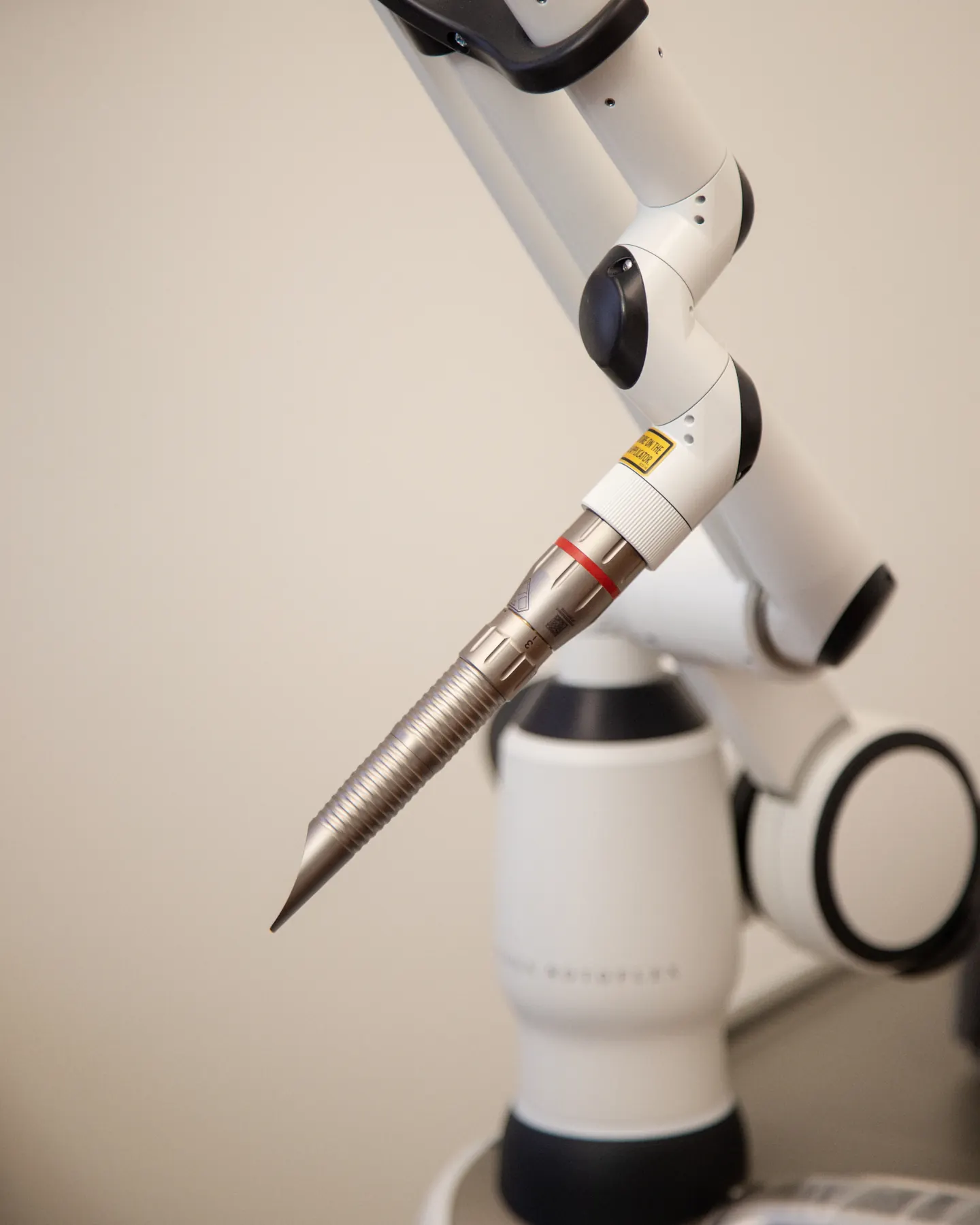
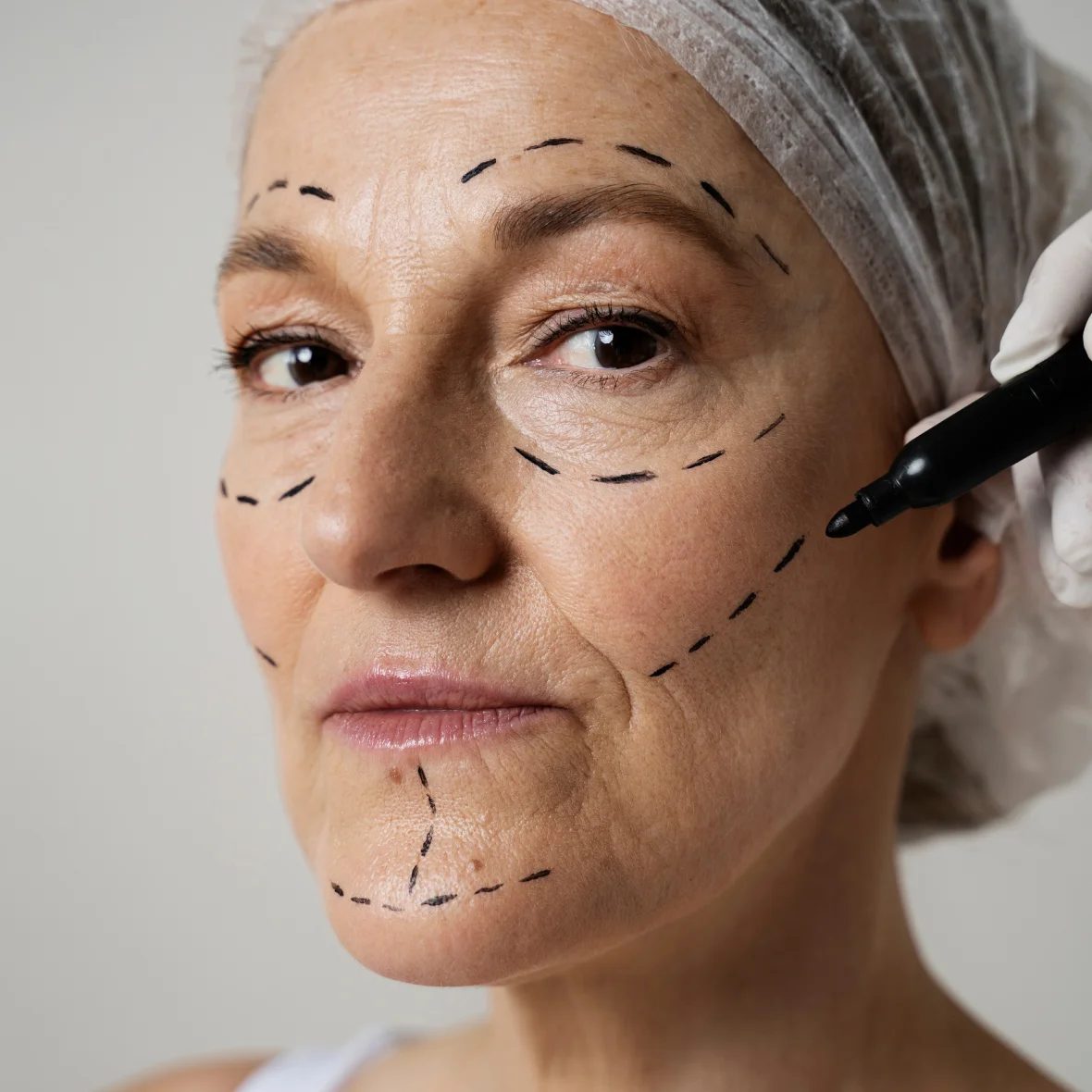
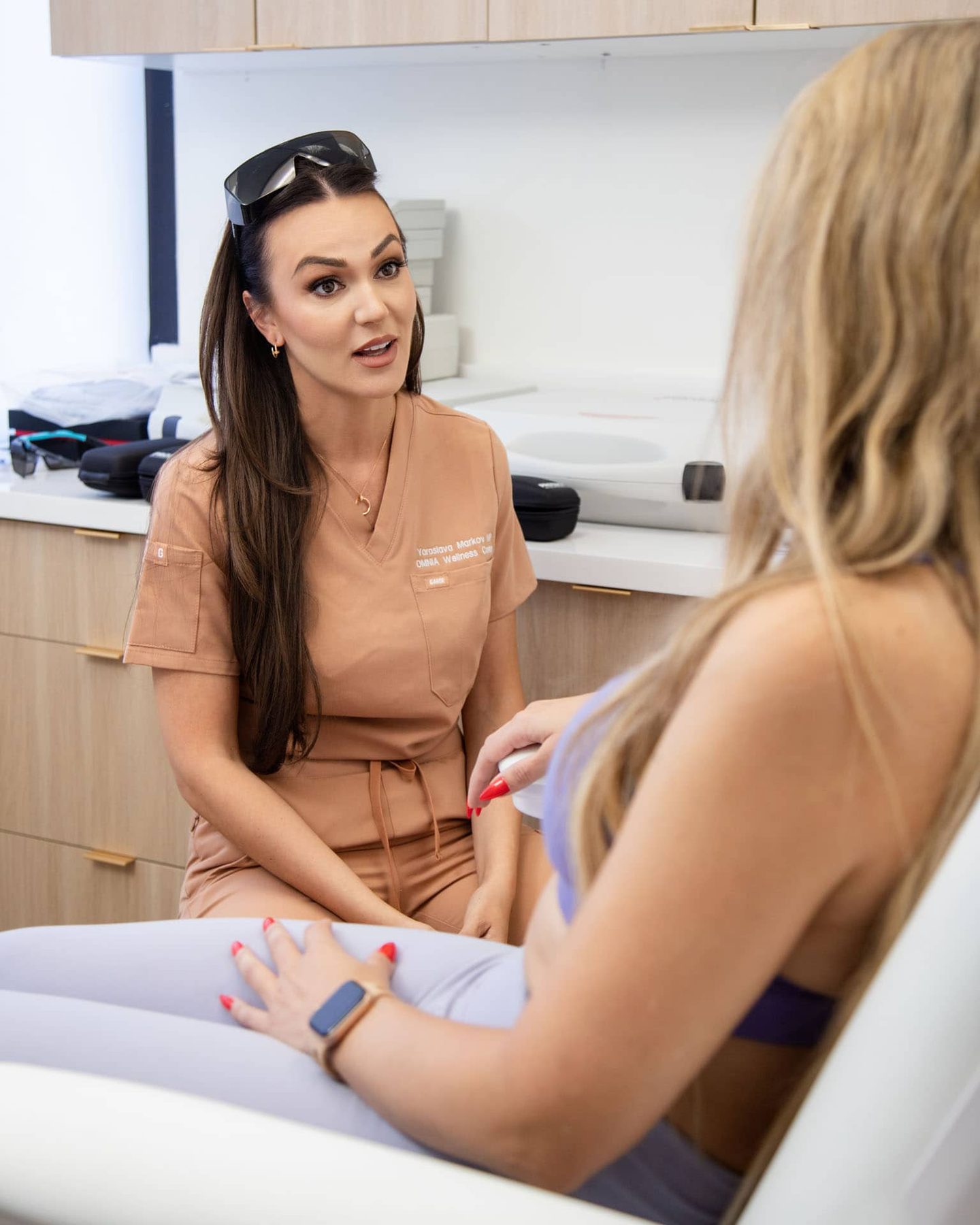
A fresher appearance rarely comes down to one issue. Most faces that look tired show a mix of changes at once: a little skin laxity around the lower face, fine creasing around the mouth, uneven texture, a dull surface, and that gradual softening of definition that happens long before someone would ever consider surgery. This is exactly where the Fotona 4D Laser Facial (TimeWalker) tends to make sense. It was designed for layered rejuvenation, not for a single isolated flaw.
What makes this treatment interesting in practice is that it does not rely on one pass, one wavelength, or one target depth. Instead, it combines several laser modes in a sequence that addresses tissue from the inside of the mouth to the skin surface. That multi-level approach is the reason patients often describe the result as looking more rested, smoother, and subtly lifted, rather than simply "lasered."
There is a real difference between a face that looks aggressively treated and a face that simply looks refreshed. Done well, Fotona 4D sits much closer to the second category.
Why TimeWalker has attracted so much attention
In aesthetic medicine, many technologies promise tightening, brightening, collagen stimulation, and resurfacing all in one. Few deliver enough change across several concerns without significant downtime. TimeWalker has drawn attention because it attempts to bridge that gap. It offers more than a quick glow treatment, yet for many patients it remains more manageable than a fully ablative laser resurfacing session.
That matters because the average patient walking into a clinic is not trying to erase twenty years overnight. More often, they want to look less fatigued for work, less heavy around the jawline in photos, or less lined around the mouth without disappearing for two weeks. They want improvement that friends notice without immediately asking what procedure was done.
The Fotona platform is not new to experienced laser practices, but TimeWalker has helped package the protocol in a way that is easier for patients to understand. The name "4D" sounds like marketing, and to some extent it is, but it refers to something real: treatment at multiple dimensions or layers of tissue, each with a different purpose.
What the treatment actually is
A Fotona 4D Laser Facial usually combines four stages using Er:YAG and Nd:YAG wavelengths in a set sequence. The exact settings vary by provider, skin type, concerns, and tolerance, but the broad concept stays fairly consistent.
The first stage is often an intraoral treatment, sometimes called SmoothLiftin. The laser is delivered inside the mouth to the cheek and perioral tissue. This sounds unusual the first time patients hear it, yet it is one of the features that makes the protocol distinct. By heating tissue from the mucosal side, the practitioner can stimulate collagen remodeling in an area that is difficult to address effectively from the outside alone. This is particularly useful for softening lines around the mouth and improving mild midface laxity.
A second stage typically targets deeper dermal structures from the outside using a Nd:YAG setting. This is where gentle bulk heating comes in. The goal is not to burn the skin surface but to create controlled thermal stimulation deeper down, where collagen fibers and structural support matter. Patients often describe this portion as warm rather than painful, though sensitivity varies.
The third stage usually focuses more specifically on superficial imperfections such as texture irregularity, enlarged pores, and fine lines. Depending on settings, this may feel pricklier and produce more visible redness afterward.
The final stage often polishes the surface with a light peel effect using Er:YAG. The result is a fresher look at the skin level, with improved reflectivity and softness once the initial recovery settles.
When these layers are sequenced well, the face can look tighter, smoother, and brighter at the same time. That is the appeal. A single mechanism rarely gives that breadth.
The kind of changes it can improve
The best candidates are usually not looking for dramatic structural change. They are looking for visible refinement. In clinic conversations, the same concerns come up repeatedly: "I look tired even when I am not," "my skin has lost bounce," "my smile lines have started to settle," or "makeup sits badly around my mouth and cheeks now."
Fotona 4D Laser Facial (TimeWalker) tends to be strongest for mild to moderate laxity, crepey texture, perioral lines, enlarged pores, dullness, and early jowl formation. It can also be useful for patients whose skin feels heavy but not severe enough to justify surgery or more aggressive ablative resurfacing.
There is an important nuance here. Tightening and resurfacing are not the same thing. Some people need more lifting than this treatment can realistically provide. Others need pigment correction more than collagen stimulation. If someone has significant volume loss in the cheeks or temples, laser alone will not replace that support. They may need a different plan, or a combination approach.
That distinction matters because dissatisfaction often comes from mismatch, not poor technology. A patient hoping to recreate the effect of a lower facelift will almost always be underwhelmed. A patient wanting to look fresher, smoother, and a little firmer can be very pleased.
What a session feels like
Comfort is one of the first questions patients ask, and the honest answer is that the experience ranges from quite tolerable to moderately uncomfortable depending on settings and the individual being treated. People who have had microneedling radiofrequency often compare Fotona 4D favorably. People who have had lighter facials sometimes find it more intense than expected.
The intraoral stage feels unusual more than painful. There is Fotona 4D Laser Facial (TimeWalker) warmth inside the cheeks, and some people notice jaw fatigue from holding still with the mouth partially open. The external tightening stages tend to build heat gradually. The resurfacing and peel-like portions can sting more sharply, especially around the upper lip, nose, and thinner skin near the eyes.
Topical numbing is often used, though protocols differ. Cooling, breaks, and thoughtful parameter selection make a difference. A rushed treatment with aggressive settings can turn a very good procedure into an unnecessarily unpleasant one. Skill matters as much as the machine.
Patients also ask whether there is a smell. With any laser resurfacing component, the answer can be yes. There may be a faint burnt skin odor during the surface passes, which is normal but not exactly glamorous.
Downtime is real, but usually manageable
One reason this treatment has become popular is that its recovery profile can be tailored. That does not mean it is downtime-free. Anyone advertising it that way is overselling.
After a stronger session, redness can last several days, sometimes longer on sensitive skin. Swelling, especially around the mouth and under the eyes, is common for the first day or two. The skin may feel hot and tight initially, then rough or dry as it begins to shed. Some patients describe a sandpapery texture before the skin smooths out. Makeup may not sit well right away.
The intraoral portion can leave the inside of the cheeks mildly tender. It is not usually disruptive, but patients notice it. Sun exposure after treatment needs to be taken seriously, particularly if any resurfacing was done at the surface.
For many working professionals, the practical recovery is somewhere between two and five days if the treatment is moderate, and closer to a week if settings are more aggressive. There are exceptions in both directions. A lighter "event prep" version may settle quickly. A stronger rejuvenation session can keep the skin pink for longer.
That trade-off is worth discussing clearly before treatment. More intensity can mean more visible change, but it can also mean more visible recovery.
Results are usually progressive, not instant
Patients often leave the clinic with some immediate plumping from tissue heating and mild swelling. This early effect can be encouraging, but it is not the final result. The more meaningful improvement comes gradually as collagen remodeling unfolds over weeks to months.
Most people notice stages. First, the skin looks a bit brighter and feels tighter once redness settles. Then texture starts to refine. Later, there may be subtle improvement in firmness, especially around the cheeks, jawline, and mouth. Fine lines can soften. Makeup may go on more evenly. Photos often show the change better than a bathroom mirror does, particularly because the result is usually nuanced rather than dramatic.
A common clinical pattern is a series of treatments spaced several weeks apart, followed by maintenance. The exact number depends on age, baseline skin quality, treatment intensity, and expectations. Someone in their late thirties with early laxity may do well with fewer sessions than someone in their fifties with more established textural change and lower facial heaviness.
The smartest way to frame results is this: expect improvement, not replacement. Better quality skin, not a new face. Fresher contours, not surgical repositioning.
Who tends to do well with it
The treatment is often best for patients who are beginning to see age-related change but still have enough underlying skin quality to respond well to collagen stimulation. There is a sweet spot where the face has started to lose crispness, but the tissues are not yet too heavy or lax for non-surgical treatment to make sense.
A few profiles tend to respond particularly well:
- Patients with early lower face laxity and mild jowling
- Those bothered by smoker's lines or etched lines around the mouth
- People with texture changes, enlarged pores, and dullness
- Patients who want noticeable rejuvenation without surgical downtime
- Individuals combining laser care with a broader maintenance plan
Skin type assessment matters. Not every setting is suitable for every complexion, and surface-level laser work requires caution in patients with higher risk of post-inflammatory hyperpigmentation. Experienced providers adjust settings, choose endpoints carefully, and sometimes modify the protocol rather than forcing a standard sequence onto every patient.
This is one of those treatments where enthusiasm should never outrun judgment. A laser is not "good" in the abstract. It is good for the right patient, in the right hands, with the right settings.
When it may not be the best choice
There are situations where TimeWalker is not the ideal answer. Significant skin laxity, deep static folds, marked neck looseness, or substantial volume loss usually call for other interventions, either instead of laser or alongside it. If the main concern is pigmentation, redness from rosacea, or prominent vessels, other devices may address those issues more directly.
Active acne, open skin infections, certain photosensitizing medications, poor wound healing history, and recent sun damage can all complicate timing. Patients with a tendency toward melasma or hyperpigmentation need a more careful plan. This does not always rule treatment out, but it does change how cautiously a clinician should proceed.
Cost is another practical issue. A treatment series can be a meaningful investment. If a patient can only manage one session but wants major change, it may be worth discussing whether a different treatment offers better value for their specific concern. Sometimes the best consultation is the one that talks someone out of the wrong procedure.
The consultation should be more detailed than many expect
A proper laser consultation is not just a skin scan and a price quote. The provider should assess facial movement, skin thickness, degree of laxity, textural damage, pigmentation tendencies, previous procedures, and healing history. The discussion should also cover how much downtime the patient can actually tolerate, which is often the deciding factor in real life.
An experienced clinician also pays attention to what the patient means by "fresh." Some people mean glow. Some mean less crepe. Some mean less sagging. Some mean "I do not want people asking if I am tired." Those are not the same target.
Photographs are useful because they anchor expectations. They help reveal whether the issue is mostly skin quality, shadowing from volume loss, lower face heaviness, or all three. In many cases, the best plan is combination care over time rather than expecting one laser protocol to handle everything.
How it compares with other rejuvenation options
Patients often ask where Fotona 4D sits relative to radiofrequency microneedling, IPL, Fotona 4D Laser Facial (TimeWalker) chemical peels, Ultherapy, Morpheus8, fractional CO2, and classic Er:YAG resurfacing. The answer depends on the dominant concern.
If someone needs pigment correction, IPL may outperform it for sunspots and diffuse redness. If someone wants aggressive wrinkle reduction and can accept real downtime, fractional ablative resurfacing may produce stronger surface change. If someone needs deeper tightening but little surface work, ultrasound or radiofrequency-based devices may be considered. If someone has acne scars, another protocol may be more specific.
Where Fotona 4D Laser Facial (TimeWalker) stands out is in its balanced, layered approach. It can touch laxity, texture, pores, and fine lines in one session without committing every patient to a harsher ablative recovery. That versatility makes it attractive in clinic, particularly for patients whose concerns are mixed rather than singular.
Still, "versatile" should not be confused with "best at everything." It is often an excellent middle ground, not a universal winner.
Combining it with other treatments
One of the more effective ways to use TimeWalker is as part of a broader, staged plan. Laser can improve skin quality and mild tightening, but it does not restore lost bone support, replace fat pads, or stop muscle-driven expression lines. In the real world, many patients benefit from a combination strategy.
A patient with early jowling and flattening in the midface may do better if collagen-stimulating laser is paired, at some point, with careful volume restoration. Someone with persistent dynamic crow's feet may still want neuromodulators. A patient with pigmentation and roughness may alternate laser sessions with tailored skincare or pigment-focused devices.
The timing of combined care matters. Treatments should be layered thoughtfully, not stacked recklessly. The face responds better when inflammation is respected and healing windows are not ignored just to accelerate a plan on paper.
Aftercare can influence the result more than patients think
Post-treatment care is not glamorous, but it plays a major role in recovery quality and pigment safety. Barrier support, sun protection, and temporary restraint with active skincare products matter. Patients who return immediately to retinoids, acids, scrubs, hot yoga, heavy sweating, or direct sun often prolong irritation and increase the chance of uneven healing.
A practical aftercare routine usually includes the following:
- Gentle cleansing with lukewarm water
- A bland, barrier-supportive moisturizer
- Strict daily sunscreen once the skin can tolerate it
- Avoidance of exfoliants and retinoids until cleared
- Minimal heat exposure for the first couple of days
Simple routines tend to work best. After laser treatment, the skin usually wants calm, not creativity.
What good treatment looks like in practice
A well-done session usually has a few hallmarks. The parameters are individualized. The provider explains what level of change is realistic. The patient is told what recovery may actually look like, including redness, swelling, roughness, and the possibility that social downtime will be longer than a single weekend. The skin is not overtreated in pursuit of a dramatic same-day endpoint.
A poor experience, by contrast, often starts with vague promises. If someone is told the procedure is painless, has no downtime, replaces a facelift, and fixes every concern at once, caution is warranted. Those claims are not just optimistic, they are clinically unserious.
In strong aesthetic practices, the operator's judgment is visible everywhere. They know when to push and when to hold back. They understand that a patient attending a wedding in six days should not be treated the same way as someone with two weeks at home. They know when Fitzpatrick skin type changes the plan. They know when perioral lines will respond beautifully and when structural descent is simply too advanced for laser alone.
The subtle value of looking rested
There is a reason patients often speak less about "anti-aging" now and more about looking fresher. The cultural appetite for obvious intervention has changed. Many people still want improvement, but they want it to read as health, sleep, good skin, and better definition, not as a face that suddenly appears altered.
That is where treatments like TimeWalker fit well. They can improve the quality signals that people subconsciously read every day: smoother texture, cleaner light reflection, more even tension around the mouth, less collapse in certain angles, and a little more vitality overall. None of that sounds dramatic in isolation. Together, it can change how a face presents.
A patient may not walk out looking ten years younger. What they may hear, a few weeks later, is "you look well," "your skin looks great," or "you seem rested." In aesthetic medicine, that is often the most believable compliment of all.
A realistic final word on expectations
Fotona 4D Laser Facial (TimeWalker) can be an excellent option for patients who want meaningful but not surgical rejuvenation. Its strength lies in treating multiple layers of tissue with a strategy that addresses both support and surface. For the right patient, that can translate into brighter skin, softer lines, improved texture, and a subtly firmer look.
Its limitations are just as important as its strengths. It will not replace surgery for advanced sagging. It will not fully solve volume loss. It requires downtime, sensible aftercare, and usually more than one session to show its best effect. The provider's experience matters enormously.
For patients who understand those boundaries, it is a smart, sophisticated treatment. Not because it promises everything, but because it can deliver a fresher appearance in a way that looks natural, layered, and earned rather than obvious.
OMNIA Wellness Center
Address: 16430 Ventura Blvd Ste 207, Encino, CA 91436
Phone: (818) 386-8511
FAQ About Fotona 4D Laser Facial (TimeWalker)
What are the benefits of Fotona laser treatment?
OMNIA offers this treatment for concerns such as uneven texture, dull tone, and fine lines. Results and the number of sessions vary, so discuss your goals with a provider.
Is Fotona laser safe?
A qualified provider should review your skin, medical history, medications, and recent sun exposure to determine whether the treatment is appropriate. Ask about possible irritation, pigment changes, and aftercare before booking.
How much does a Fotona 4D facelift cost?
Price depends on the treatment plan and number of visits. Ask OMNIA for an itemized estimate during your consultation.