Fotona 4D Laser Facial (TimeWalker) for Skin Tightening Without Surgery
@rowanmqli728
Skin tightening treatments tend to attract two very different kinds of patients. One group wants a visible lift but is not ready for surgery, downtime, or a dramatic change in appearance. The other has already tried peels, microneedling, and radiofrequency, and now wants something with more structure behind it, especially around the lower face, mouth, and eyes. The Fotona 4D Laser Facial (TimeWalker) sits in the middle of that conversation. It is not a facelift, and it should never be sold as one. But when it is used well, on the right patient, with realistic goals, it can create noticeable tightening, smoother texture, and a fresher contour without incisions.
What makes this treatment different is that it does not rely on a single pass or one simple mechanism. It combines multiple laser modes in a sequence designed to target tissue from the inside of the mouth and from the skin surface. That layered approach matters. Skin laxity is not one-dimensional. A patient may have collagen loss, crepey texture, thinning around the lips, mild jowling, or etched lines caused by movement and volume changes. Trying to solve all of that with one shallow treatment usually leads to modest results at best.
The TimeWalker platform, often discussed under the Fotona 4D name, approaches rejuvenation in four steps. Those steps can be adjusted depending on anatomy, age, skin sensitivity, and recovery tolerance. In practice, that flexibility is one of its strengths.
What the treatment actually is
Fotona 4D is a non-surgical laser rejuvenation treatment that uses two laser wavelengths, typically Er:YAG and Nd:YAG, delivered in a planned sequence. Instead of focusing only on the outer skin, the treatment starts intraorally, meaning inside the mouth, to heat tissue along the cheeks and around the nasolabial region. That first phase aims to contract collagen and stimulate remodeling in an area that is hard to reach with topical treatments or surface-only devices.
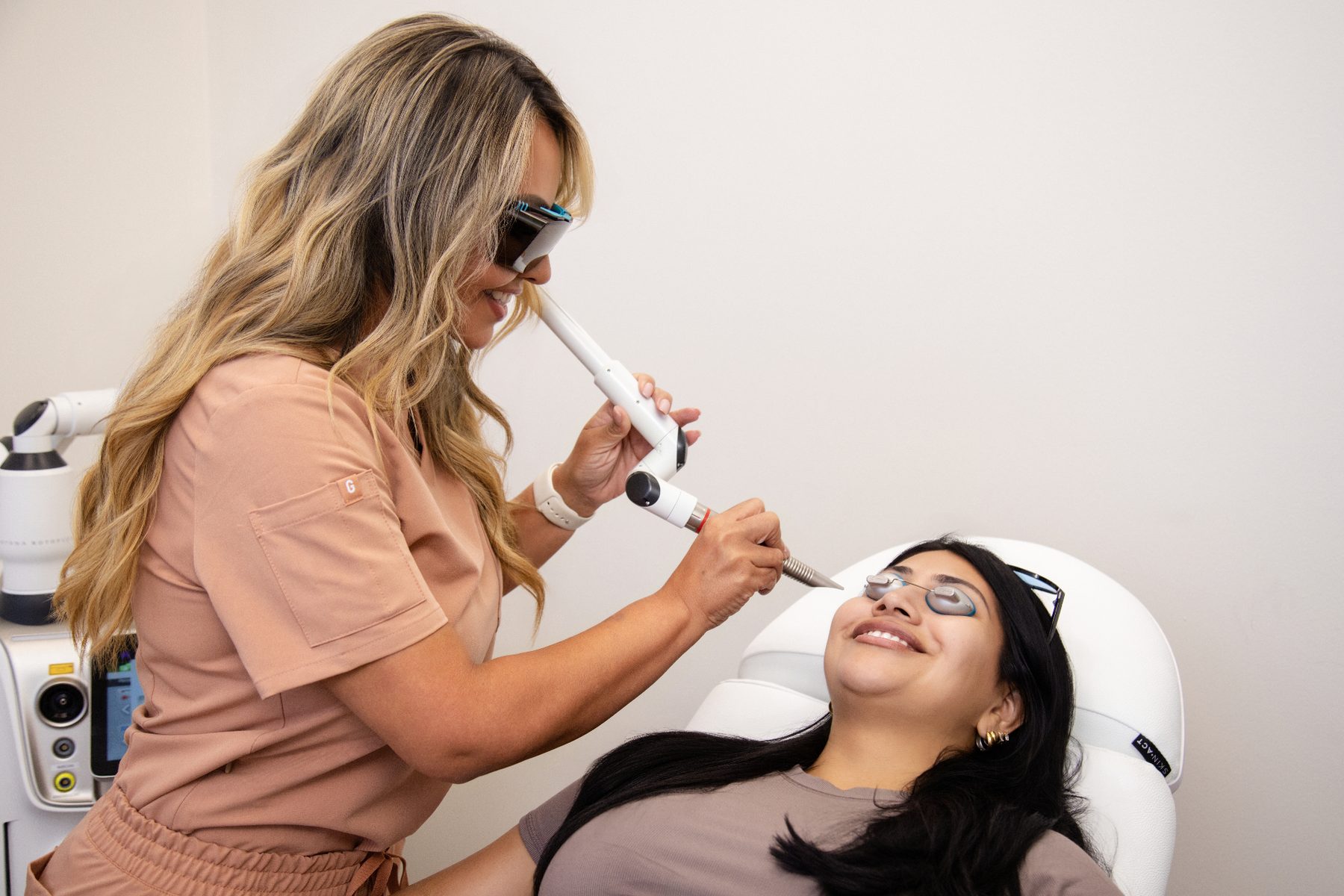
From there, the treatment moves to the outside of the face. Different handpieces and settings are used to bulk heat deeper tissue, then refine texture, then perform very light polishing or controlled ablation depending on the plan. The overall goal is not simply to make skin look brighter for a week. It is to improve support, texture, and firmness over time.
TimeWalker is sometimes used as a broader branding term for Fotona protocols that include rejuvenation, tightening, and pigment-focused settings. Patients can find that confusing. What matters less is the trade name and more the actual treatment plan being delivered. One clinic may market a "TimeWalker Fotona 4D Laser Facial" but use conservative settings intended for minimal downtime. Another may use a more assertive resurfacing component and produce stronger results with a few more recovery days. The same name can cover a meaningful range.
Why the four dimensions matter
The "4D" part is not just branding language. It refers to four modes or treatment phases that target different layers and concerns. Each has a job.
The first phase is usually the Smooth mode, delivered inside the mouth. Patients are often surprised by this, but it is one of the reasons the treatment has a reputation for subtle lifting around the lower face. Heating the mucosal tissue can improve collagen remodeling where the cheeks meet the nasolabial folds. It is not painful for most people, though it feels warm and unusual.
The second phase often uses a deeper Nd:YAG mode to create controlled bulk heating. This is where a lot of the tightening stimulus comes from. When a treatment is too superficial, the skin may look polished but not firmer. Deeper heating is what gives the protocol more structural intent.
The third phase addresses more superficial imperfections, including texture irregularity, enlarged pores, and fine lines. Depending on the device settings and the clinician’s judgment, this can be a gentler step or a more obvious resurfacing pass.
The final phase is typically a light polish, sometimes called a peel or finishing pass. It gives the skin a smoother, more refined surface and can add that "well-rested" quality patients often want.
That sequence is why the treatment appeals to people who say, "My skin feels looser, but I also look dull." Many devices do one of those jobs well. Fewer handle both in one session.
What it feels like during treatment
Patients usually want an honest answer here, not marketing language. The treatment is tolerable, but it is not the same as a relaxing spa facial. The intraoral portion feels warm and a little strange because the handpiece is working against the inside of the cheeks. The deeper external heating can feel prickly or hot in pulses. The surface passes vary the most. A very conservative polish may feel only mildly scratchy, while a more aggressive resurfacing setting can sting enough that topical numbing becomes helpful.
A full session commonly takes around 45 to 90 minutes, depending on how much of the face is treated and whether the neck is included. Some clinicians use topical anesthetic for part of the treatment, especially when the outer skin resurfacing step is more active. Others reserve numbing for patients who are very sensitive.
Immediately afterward, the skin often looks pink or red, and there can be a feeling of heat similar to a moderate sun exposure. Mild swelling is not unusual, especially around the mouth and under the eyes. Most patients can return to normal indoor activities quickly, but social downtime depends on settings. That distinction matters. "No downtime" is often oversold in aesthetics. Some patients truly have only mild redness for a day. Others peel lightly for several days and do not want close-up photos or events on their calendar.
Who tends to benefit most
The best candidates are usually people with mild to moderate skin laxity, early sagging, textural changes, or fine lines who want improvement without surgery. It can be especially useful for the patient in their late thirties to fifties who notices softening around the jawline, smile lines becoming more fixed, and makeup settling into texture around the cheeks or mouth.
It can also suit older patients who are not surgical candidates or who simply do not want surgery. That said, expectations must be managed carefully. If someone has significant jowling, heavy neck skin, or advanced lower-face laxity, a laser facial will not reproduce the crisp repositioning that surgery can achieve. In those cases, the treatment may still help skin quality, but it will not solve the full problem.
Younger patients sometimes do well with Fotona 4D as a collagen-preserving treatment rather than a corrective one. In that context, the gains are more subtle. Skin may feel firmer, pores look tighter, and the face can appear less tired even when there is no dramatic before-and-after moment.
Certain features often make the treatment a better fit:
- mild to moderate laxity rather than severe sagging
- concerns that combine texture, pores, and firmness
- willingness to do a series rather than chase a one-time miracle
- realistic expectations about surgery versus non-surgical results
- commitment to daily sunscreen and maintenance
Results, timing, and what patients often notice first
One of the most useful ways to describe Fotona 4D results is to separate early effects from true remodeling. Early on, some patients see a fresher look within days because of mild tissue contraction and light exfoliation. The skin may reflect light better, makeup may sit more smoothly, and the face can look less fatigued. Those changes are real, but they are not the final result.
Collagen remodeling takes longer. Over the next six to twelve weeks, skin often feels denser and slightly tighter. Around the mouth, patients may notice softening of fine etched lines. Along the cheeks and jawline, the face can look Fotona 4D Laser Facial (TimeWalker) a bit more held together, particularly in certain lighting. This is usually not the kind of result that makes friends ask whether surgery was done. It is more often the kind that leads to comments like, "You look good, did you change your skincare?" For many patients, that subtlety is a feature, not a drawback.
The usual recommendation is a series of treatments spaced several weeks apart, often three sessions for meaningful change, though some protocols use more or fewer depending on goals and budget. Maintenance once or twice a year is common after that. A single treatment can improve skin quality, but tightening generally builds with repetition.
How it compares with other non-surgical tightening options
This is where judgment matters more than hype. Not every patient needs a laser, and not every concern responds best to laser.
Radiofrequency microneedling can be excellent for acne scars, pores, and modest tightening, particularly in thicker skin or oily skin types. Ultrasound-based tightening treatments can target deeper layers and are often used for lifting, though they may offer less textural improvement on the surface. Traditional ablative resurfacing can outperform Fotona 4D for deep wrinkles and dramatic texture correction, but it comes with more downtime and a narrower margin for error.
Fotona 4D stands out when the goal is mixed improvement. It offers some lift, some textural refinement, some brightness, and a moderate collagen stimulus in one protocol. For the patient who wants one treatment family to address several mild to moderate concerns at once, that can be a practical advantage.
Where it may fall short is in patients wanting a single, dramatic fix. If the chief complaint is heavy lower-face descent, surgery still sets the standard. If the chief complaint is deep static wrinkles from years of sun exposure, a more aggressive resurfacing approach may produce more obvious smoothing. When clinics describe one treatment as the answer to every aging concern, that is usually a sign to ask harder questions.
The role of the provider matters more than most people realize
Laser outcomes depend heavily on settings, sequencing, and restraint. Two practitioners using the same platform can produce very different experiences and results. One may favor minimal downtime and deliver a gentle treatment that refreshes the skin but does little for laxity. Another may use stronger parameters and create better tightening, but at the cost of more redness or swelling. Neither approach is automatically right or wrong. The right choice depends on the patient in the chair.
This is particularly relevant for patients with reactive skin, rosacea tendencies, melasma history, or deeper skin tones. While Fotona systems can be used across a range of skin types, the treatment plan must be adapted carefully. Too much heat in the wrong patient can trigger inflammation or pigment changes. A good consultation should cover prior reactions to lasers, recent tanning, history of cold sores, active acne flares, and use of retinoids or photosensitizing medications.
One practical sign of a thoughtful provider is specificity. They should be able to explain which concerns they expect to Fotona 4D Laser Facial (TimeWalker) improve, which ones may only improve modestly, and what recovery is likely with the settings they plan to use. Vague promises usually predict vague outcomes.
Downtime, aftercare, and the reality of recovery
Recovery is usually manageable, but it is not identical for everyone. Patients often experience redness for one to three days, occasionally longer if the resurfacing component is stronger. Light swelling can peak the next morning. Some feel dry or slightly rough for several days as the surface renews.
A sensible aftercare routine usually includes:
- gentle cleansing with lukewarm water
- bland moisturizer applied more often than usual
- strict broad-spectrum sunscreen every day
- avoidance of exfoliants, retinoids, and active acids until the skin settles
- no picking, rubbing, or heat-heavy workouts for the first day or two if advised
Patients sometimes underestimate how much sunscreen affects long-term outcome. Any collagen-stimulating treatment works against a background of everyday UV exposure. If someone spends hours driving without facial SPF or resumes tanning after treatment, the gains fade faster and pigment issues become more likely.
If the lips or perioral area are treated and the patient has a history of herpes simplex outbreaks, antiviral prophylaxis may be recommended. That is a small detail, but it can save a lot of discomfort. It is one example of why pre-treatment screening matters.
Cost and value, which are not the same thing
Pricing varies widely by city, provider experience, and how comprehensive the session is. In many markets, a single Fotona 4D or TimeWalker facial session falls somewhere from the mid-hundreds to low thousands of dollars. Neck treatment, stronger resurfacing settings, or combination therapy can push it higher.
Whether it is "worth it" depends on the alternative. For someone comparing it with surgery, the cost is obviously much lower, and the downtime is far lighter. For someone comparing it with a simpler light peel or standard facial, it is more expensive, but it also operates in a different category. The value tends to be strongest for patients who genuinely need both tightening and surface rejuvenation, not just one or the other.
I have seen the best satisfaction in patients who understand they are investing in gradual change. The least satisfied are often the ones who expect a one-session transformation or choose the treatment mainly because a phrase like "facelift without surgery" caught their attention. Non-surgical devices can do a lot, but they still work within biological limits.
Common misconceptions that lead to disappointment
One recurring misconception is that all laser facials are basically the same. They are not. Some target pigment, some target redness, some mainly resurface, and some prioritize collagen remodeling. Fotona 4D is a layered rejuvenation treatment, not just a glow-up facial with a luxury price tag.
Another misconception is that more heat always means better results. It does not. Overtreatment can increase inflammation, prolong recovery, and in some cases worsen pigment issues or barrier dysfunction. Good laser work is not about maximal intensity. It is about appropriate energy delivered to the right layer.
There is also a belief that if a treatment is called "non-invasive," it must be effortless. Patients can absolutely return to life faster than after surgery, but they should still plan around recovery, especially before weddings, professional photography, or major events. I usually think a two- to three-week buffer before an important occasion is more sensible than trying to squeeze laser rejuvenation into the same week.
Combining Fotona 4D with other treatments
Combination planning is where this technology often shines. A patient with lower-face laxity may also need volume support in the cheeks or temples. Another may benefit from neuromodulators to soften muscle-driven lines that no laser can fully erase. Some pair Fotona 4D with biostimulatory injectables, collagen-supporting skincare, or carefully timed microneedling in a broader plan.
That does not mean more is always better. Layering treatments too quickly can irritate the skin and make it hard to judge what actually worked. The strongest treatment plans are usually staggered with intention. For example, a patient might complete a series of Fotona 4D sessions, then reassess whether filler is still needed around the mouth. Sometimes once the skin is tighter and smoother, the amount of filler required is less than expected.
What a good consultation should cover
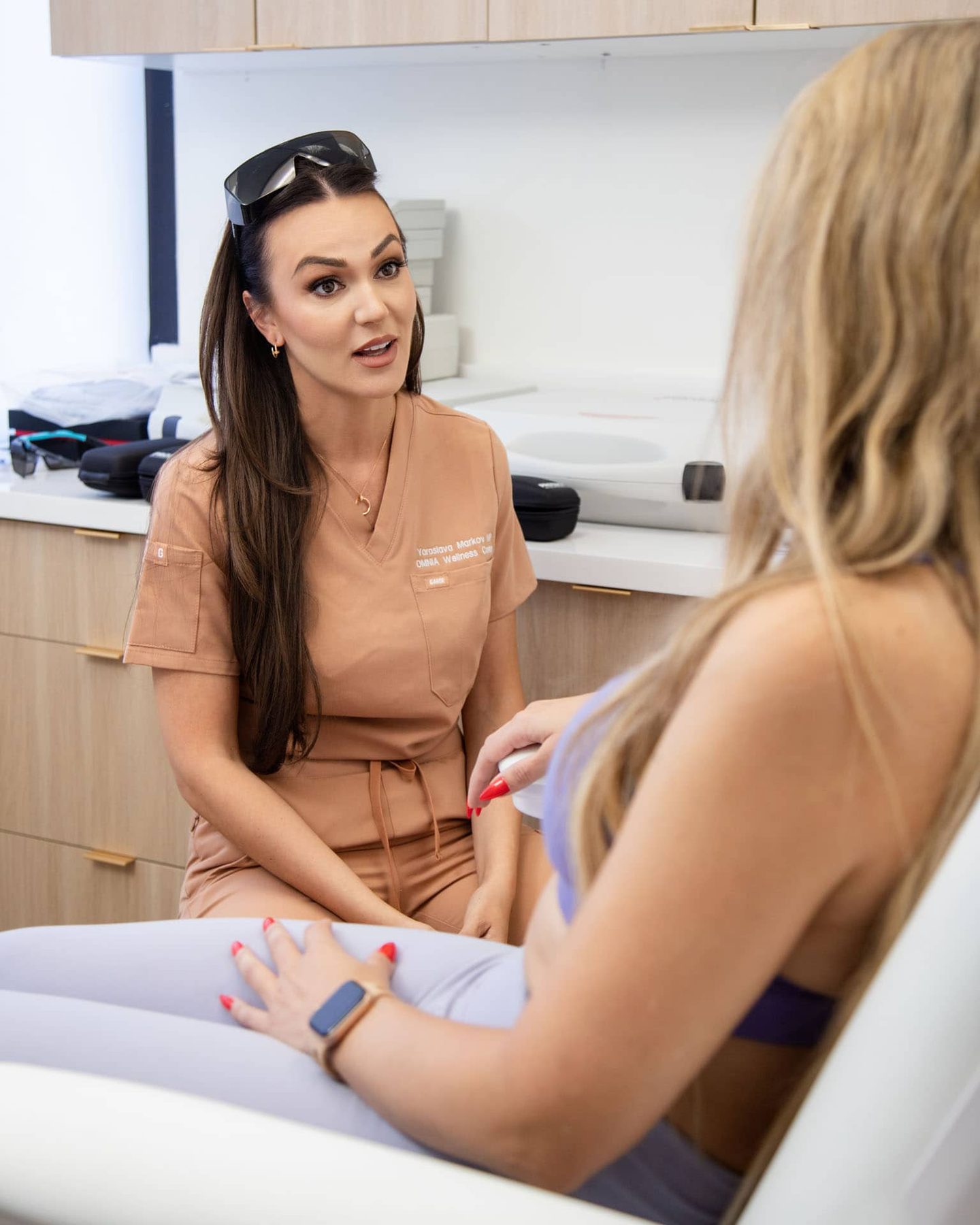
A useful consultation should feel specific to your face, not like a memorized sales talk. Photos should be taken in consistent lighting. The provider should assess skin thickness, degree of laxity, pigmentation, vascular reactivity, and facial movement patterns. They should also ask what bothers you most. That sounds obvious, but it is often skipped. A clinician may focus on pores while the patient is bothered by jawline softness, or vice versa.
The conversation should also include what the treatment cannot do. If surgery would clearly produce the result the patient wants, that should be said plainly. Ethical aesthetic medicine is often about steering someone away from the wrong procedure, even when the procedure is popular.
The bottom line on Fotona 4D Laser Facial (TimeWalker)
Fotona 4D Laser Facial (TimeWalker) occupies a useful space in modern aesthetic practice because it addresses aging as a layered process. It can tighten mildly lax skin, refine texture, soften fine lines, and improve overall skin quality without incisions or a prolonged recovery. For the right patient, those combined effects create a result that looks believable and refreshed rather than obviously treated.
Its limitations are just as important as its strengths. It does not replace a surgical lift when tissue descent is significant. It does not erase every wrinkle in one session. And it is not a generic facial with a fancy name. It is a physician-directed or highly trained provider-directed laser procedure that depends on skill, customization, and realistic expectations.
When patients ask whether it is a good option, my answer is usually conditional. If your goals are modest to moderate tightening, better texture, and a more rested appearance, and if you are willing to do a series and maintain your skin afterward, it can be an excellent choice. If your goal is a dramatic repositioning of sagging tissue, it is the wrong tool. Knowing that difference is what turns a trendy treatment into a worthwhile one.
OMNIA Wellness Center
Address: 16430 Ventura Blvd Ste 207, Encino, CA 91436
Phone: (818) 386-8511
FAQ About Fotona 4D Laser Facial (TimeWalker)
What are the benefits of Fotona laser treatment?
OMNIA offers this treatment for concerns such as uneven texture, dull tone, and fine lines. Results and the number of sessions vary, so discuss your goals with a provider.
Is Fotona laser safe?
A qualified provider should review your skin, medical history, medications, and recent sun exposure to determine whether the treatment is appropriate. Ask about possible irritation, pigment changes, and aftercare before booking.
How much does a Fotona 4D facelift cost?
Price depends on the treatment plan and number of visits. Ask OMNIA for an itemized estimate during your consultation.