The Basics of Fotona Laser Treatments in Encino, CA for New Patients
@rowanmqli728
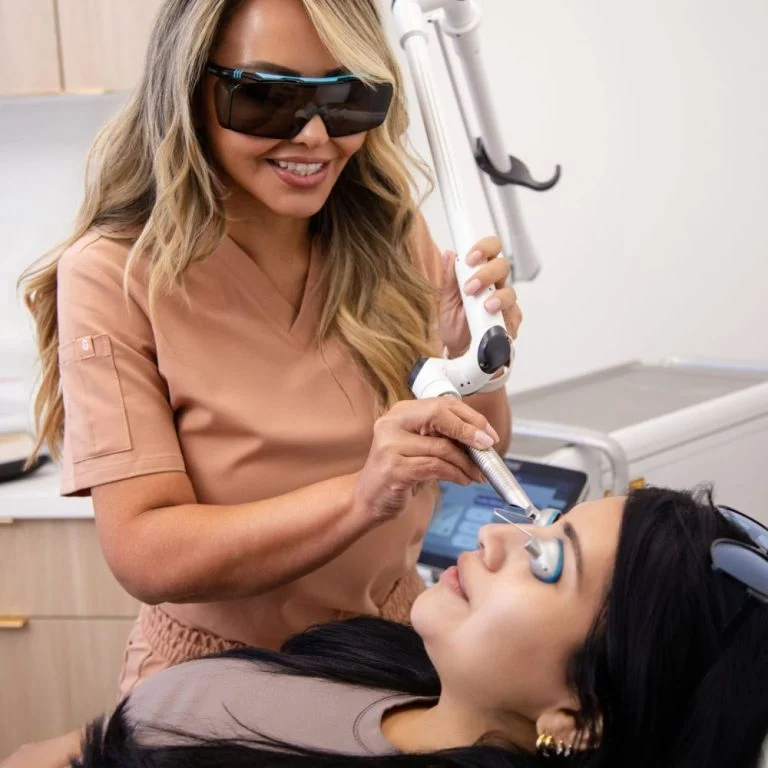
If you are looking into laser treatments for the first time, the process can feel more complicated than most practice websites make it seem. The phrase alone covers a wide range of services, from skin resurfacing and acne scar revision to pigment correction, tightening, and certain gynecologic or dental applications in other settings. For a new aesthetic patient in Encino, the practical question is much simpler: what does a Fotona laser treatment actually do, what does it feel like, and how do you know whether it is the right fit for your skin and goals?
That is where a little clarity helps.
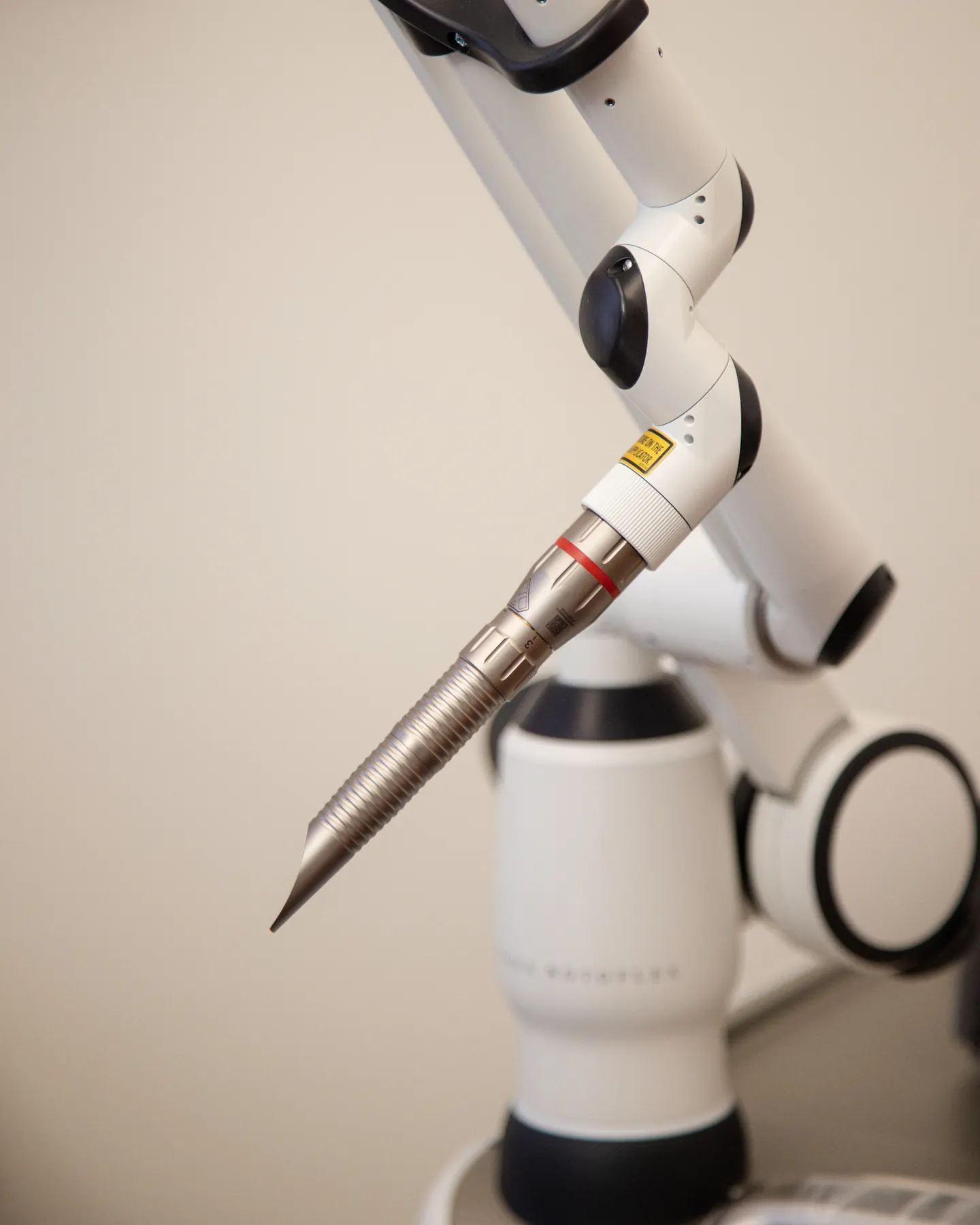
Fotona is a laser platform brand known for combining different wavelengths that allow providers to treat both superficial and deeper tissue concerns. In an aesthetic office, that usually means a provider can customize treatment rather than forcing every patient into the same one-size-fits-all session. That flexibility is a major reason patients ask about Fotona Laser Treatments Encino, CA clinics offer. A person may want brighter texture with almost no downtime, while someone else is dealing with long-standing acne scars or laxity around the jawline and is willing to tolerate a more intense recovery. Same technology family, very different treatment plans.
For a first-time patient, the most important thing to understand is that the name of the device matters less than the diagnosis, the settings, and the experience of the provider using it. A great consultation should leave you with a realistic plan, not just a menu of laser names.
What Fotona treatments are usually used for
In facial aesthetics, Fotona systems are often used for concerns that fall into a few broad categories: uneven texture, dull skin, fine lines, acne scars, enlarged pores, redness, some pigment irregularities, and mild to moderate skin laxity. Some practices also use these lasers inside the mouth for tightening support around the lower face, an approach often referred to as an intraoral treatment. Patients are sometimes surprised by that option, but it can make sense for people who want subtle lifting without surgery.
The reason these treatments appeal to first-timers is that they exist on a spectrum. At the lighter end, a patient may come in for a no-downtime brightening session before an event season or after a period of stress, travel, or sun neglect. At the stronger end, someone with etched-in acne scarring may need a series of treatments that create several days of redness, swelling, and rough texture as the skin remodels.
That range is worth emphasizing because “laser treatment” means very different things depending on your plan. One patient walks out pink and goes to dinner that night. Another takes four or five days off social plans and times the treatment around work meetings. Both can be receiving Fotona-based care.
Why new patients in Encino often ask for this platform
Encino patients tend to be informed, comparison-shopping consumers. Many have already tried facials, peels, microneedling, or radiofrequency, and they want to know where a laser fits in. Others are cautious because they have heard stories about prolonged redness, pigment complications, or treatments that did little beyond making skin temporarily look polished.
Fotona often enters the conversation because it can be adjusted for different skin goals and recovery preferences. That does not mean it is automatically the best choice for everyone. It means an experienced provider has room to modulate depth, heat, and aggressiveness.
In practice, the strongest candidates are usually people who want one or more of the following: smoother skin, better tone, gradual collagen stimulation, softening of fine lines, or a measured approach to acne scar improvement. The weak candidates are often people expecting dramatic surgical-level tightening, instant scar removal, or complete pigment correction after a single session.
The gap between expectation and reality is where disappointment happens. Good consultations close that gap early.
The two broad categories patients should understand
Most first-time consultations eventually sort treatments into two buckets: resurfacing and tightening. The lines can overlap, but the distinction is useful.
Resurfacing treatments focus more on the outer layers of skin and are often chosen for texture, pores, mild scarring, superficial fine lines, and general skin renewal. Tightening-focused treatments aim more at collagen remodeling below the surface, often with less visible peeling afterward. Some treatment protocols combine both in a single visit or over a series.
That combined approach can be appealing because skin quality and skin support are not the same thing. A patient may have smooth skin but early laxity, or firm skin with textural damage left over from years of acne. Treating only one layer may leave the result feeling incomplete.
I have seen this play out often with patients in their late thirties to fifties. They come in saying they want “lift,” but when you examine them closely, what bothers them is not only laxity. It is crepey texture around the mouth, roughness on the cheeks, and a loss of reflected light from the skin surface. When those issues are addressed together, the face tends to look healthier and more rested, not simply tighter.
What a first consultation should cover
A proper laser consultation is not just a glance at your skin under bright lights. It should be a discussion of history, habits, and tolerance.
Your provider should ask about recent tanning, sun exposure, melasma, rosacea, cold sores, prior procedures, isotretinoin history, medications that affect healing, pregnancy status when relevant, and any tendency toward post-inflammatory hyperpigmentation or keloid scarring. Skin type matters. So does timing. A patient planning a wedding, work trip, or family photos in ten days may need a very different approach than someone with a quiet month ahead.
The consultation should also clarify your baseline. Are you treating active acne, old scars, sun damage, or age-related changes? Those are not interchangeable problems, even if they all show up as “my skin looks tired.”
Expect the provider to discuss how many sessions may be needed. For some concerns, one treatment is reasonable. For acne scars, diffuse redness, or collagen-building, a series is common. If someone implies that one session will erase years of textural change, be cautious.
What treatment day is actually like
Most first-time patients are less worried about the science than the experience. They want to know what they will feel and how long they will be in the chair.
Treatment day usually begins with photographs and skin cleansing. Depending on the intensity of the session, a topical numbing cream may be applied and left on for a period of time. Not every Fotona treatment requires it. Lighter treatments can be very tolerable without much preparation, while deeper resurfacing tends to justify more robust numbing.
During the laser portion, patients often describe the sensation as heat, snapping, or a repeated prickling feeling. Some compare parts of it to a rubber band snap mixed with warmth. The exact sensation depends on the settings and the area being treated. Around the mouth and nose, where the skin is thinner, discomfort tends to register more sharply. Cheeks are usually easier.
A straightforward appointment may take under an hour, while a more involved resurfacing session can take longer once prep time is included. Afterward, skin may look pink to red, feel warm, and appear mildly swollen. That immediate post-treatment appearance is normal, but the severity varies widely.
Patients often find it reassuring when their provider explains what “normal” looks like for day one, day three, and day five. Without that context, even expected redness can feel alarming.
Downtime is the question that matters most
When people ask whether a laser is “worth it,” they are often really asking whether the recovery fits their life.
Some Fotona treatments involve very little interruption. You may be pink for a day, a little dry, and back to normal quickly. Others create a more obvious healing phase with swelling, a sandpapery texture, bronzing, or flaking over several days. The skin may not peel in dramatic sheets the way patients imagine. More often, it feels rough and looks dry as the surface turns over.
A practical rule for new patients is this: underpromise your social schedule after your first treatment. Even if you are told downtime is usually light, you do not yet know how your skin will respond. If you are the person who swells after every injectable and flushes easily after exercise, it is smart to build in a little margin.
The other reality is that downtime is not Fotona Laser Treatments Encino, CA only about appearance. It is also about behavior. For several days, you may need to avoid heat exposure, strenuous workouts, direct sun, active skin care ingredients, and anything that rubs or irritates the treated area. A patient who can follow aftercare closely tends to heal better and gets more predictable results.
Results rarely arrive all at once
One reason laser medicine can frustrate impatient patients is that visible healing and deeper remodeling run on different timelines.
Surface-level improvement may appear relatively quickly. Skin can look brighter and feel smoother within days to a couple of weeks after the initial healing settles. Collagen-related changes, however, take longer. If the treatment is intended to support firmness or soften certain lines, the more meaningful shift may emerge gradually over weeks to months.
This is one reason experienced providers often space sessions and reassess rather than stacking aggressive treatments too quickly. Skin needs time to respond. Chasing faster results can backfire, especially in patients prone to prolonged inflammation or pigment change.
A patient with shallow acne scars may notice progressive softening after each treatment in a series. A patient with deep boxcar or ice pick scarring should understand from the outset that lasers improve scars, they do not erase them. That distinction matters psychologically. Improvement can be significant and still not equal perfection.
Who tends to do well with Fotona laser treatments
The best outcomes usually come from patients who want visible improvement, not miracles, and who are willing to commit to a full plan. That may include pretreatment skin care, careful sun avoidance, multiple sessions, and a maintenance strategy after the initial series.
People who do especially well often have one or more of these traits:
- They have a clear primary goal, such as smoother texture or softer fine lines.
- They can avoid sun exposure before and after treatment.
- They understand that collagen remodeling is gradual.
- They follow aftercare closely and do not pick, scrub, or over-treat their skin at home.
- They are open to combination care if the provider believes laser alone will not address the whole issue.
That last point matters. Lasers are powerful, but they are not the answer to every cosmetic concern. If volume loss is the main problem, a laser will not replace filler. If heavy jowling is the concern, laser tightening may help modestly but will not duplicate a lower facelift. If active acne is poorly controlled, that often needs to be stabilized before scar-focused resurfacing begins.
Skin tone and safety deserve a real discussion
One of the most important parts of laser planning is matching the treatment to your skin type and pigment behavior. This is where experienced judgment matters more than marketing language.
Darker or more reactive skin tones can absolutely be treated, but caution is essential. The concern is not that laser cannot be used. The concern is that the wrong settings, poor timing after sun exposure, or an overly aggressive plan can trigger post-inflammatory hyperpigmentation or extended irritation. Patients with melasma need especially careful counseling because heat can aggravate it, even when the treatment was chosen with good intentions.
This is why a conservative first session is often wise for new patients. It gives the provider a chance to observe how your skin responds before escalating intensity. That approach may feel slower, but in practice it prevents many problems.
A good clinic will also ask about recent self-tanner use, beach weekends, and outdoor habits. In Southern California, those details are not minor. They can change whether a treatment should happen this week or next month.
The role of preparation and aftercare
A beautifully executed laser treatment can still produce a mediocre result if the lead-up and recovery are sloppy. Skin that is irritated, sun-stressed, or over-exfoliated before treatment is less predictable. Skin that gets too much heat, sweat, or sun immediately after treatment can stay inflamed longer and risk unwanted pigment changes.
Many providers recommend pausing retinoids, strong exfoliants, and certain active products for a short period before and after treatment. Patients with a history of cold sores may need preventive medication when the mouth area is treated. Moisturization and gentle cleansing become more important than ever in the first healing phase.
The basics are not glamorous, but they matter:
| focus | why it matters | | --- | --- | | sun protection | reduces risk of pigment complications and protects new skin | | gentle skin care | supports barrier recovery and reduces irritation | | realistic scheduling | prevents panic if redness or texture lingers a few extra days | | hydration and patience | helps skin recover without over-managing it |
What tends to go wrong at home is not usually neglect. It is overcorrection. Patients get nervous and start adding products, scrubbing flaky skin, or trying to speed peeling. Skin heals best when it is protected and left alone more than most people think.
Cost, value, and what patients should ask
Pricing varies widely by treatment depth, treatment area, provider expertise, and whether you are doing a single session or a package. It is reasonable to ask not only what one session costs, but what a realistic full course will cost if your concern typically requires three or more visits.
Value is not just the sticker price. It includes the quality of consultation, provider skill, customization, safety protocols, and follow-up. A bargain treatment that causes prolonged irritation or little visible improvement is not a bargain.
New patients should feel comfortable asking a few direct questions during the consultation:
- What specific concern are you treating first, and why?
- How much downtime should I plan for based on my skin, not just the average patient?
- How many sessions do you realistically expect for my goal?
- What risks matter most for my skin type and history?
- If this is not the best option, what would you recommend instead?
Those questions cut through a lot of vague sales language. They also help distinguish providers who truly individualize treatment from those who rely on generic scripts.
How Fotona compares with other aesthetic treatments
Patients rarely choose a laser in isolation. They are usually comparing it with peels, microneedling, radiofrequency, intense pulsed light, or fractional lasers from other manufacturers.
Fotona-based care can be appealing when a provider wants versatility within one platform. That does not automatically make it superior to every alternative. For pigment-driven concerns, another modality may be more appropriate. For severe laxity, energy-based treatments in general may underdeliver compared with surgery. For very superficial refreshment, a peel or lighter resurfacing treatment might be enough.
This is where honest counseling matters. The best aesthetic plans are often layered. A patient might use laser for texture and collagen support, neuromodulators for expression lines, skin care for pigment control, and filler only if volume loss genuinely needs it. Thoughtful combination plans usually age better than overreliance on a single tool.
A realistic example from first-time patients
A common new-patient scenario in Encino looks something like this: a woman in her early forties comes in saying she looks tired on video calls and notices that makeup is settling around her mouth and cheeks. She is not ready for surgery and does not want a dramatic change. On exam, the issues are mild lower-face laxity, textural roughness, enlarged pores near the nose, and some fine etched lines.
That patient may do very well with a Fotona plan that pairs a resurfacing component with collagen-focused tightening over a series. She is usually happiest when the provider explains that the outcome should be fresher, smoother skin and subtle firming, not a totally different jawline. If she expects that level of refinement, she often feels the treatment was worthwhile.
Contrast that with a patient who has deep nasolabial folds, significant skin laxity, and a heavy lower face but wants a laser to “replace” surgery. Even a well-done treatment may leave that patient underwhelmed because the technology did not match the magnitude of the goal.
Choosing the right clinic in Encino
For new patients, the clinic matters as much as the technology. You want a practice that treats your consultation as a medical evaluation, not a retail transaction. Look for specificity in how they discuss your skin, your risks, and your likely outcome. General promises are easy. Nuanced treatment planning is harder, and it is usually a sign of deeper experience.
Pay attention to whether the provider can explain why they selected a particular protocol and what alternatives they considered. Notice whether they ask about your schedule, your sun habits, and your history with healing. See if they set boundaries around what the treatment can and cannot do.
When you are researching Fotona Laser Treatments Encino, CA patients should not be swayed only by before-and-after photos. Those images can be helpful, but they rarely show the full context. Ask about downtime, skin type, number of sessions, maintenance, and whether the photos reflect typical results or exceptional ones.
A careful, honest consultation may sound less flashy than a sales pitch, but it is almost always the better sign.
The bottom line for first-time patients
Fotona laser treatments can be a smart option for patients who want improvement in texture, tone, mild laxity, fine lines, or certain types of scarring without moving straight to surgery. The technology is versatile, but versatility only helps when it is paired with sound judgment. Your skin type, degree of sun exposure, healing history, and actual goals matter more than the popularity of the device.
If this is your first laser experience, focus on fit rather than hype. Ask what concern is being treated first. Ask how much downtime is realistic for your skin. Ask what happens if you are a slow healer or prone to pigment change. Ask what result would count as a success after one session and after a full series.
That kind of conversation usually Fotona Laser Treatments Encino, CA leads to better outcomes and fewer surprises. And for a first-time patient, fewer surprises is often the best place to start.
OMNIA Wellness Center
Address: 16430 Ventura Blvd Ste 207, Encino, CA 91436
Phone number: +18183868511
FAQ About Fotona Laser Treatments Encino, CA
What is a Fotona laser good for?
A Fotona Laser system is a versatile, dual-wavelength medical laser used primarily for non-surgical skin tightening, anti-aging rejuvenation, and dermatological treatments.
How much does the Fotona laser cost?
The cost of a Fotona laser depends heavily on whether you are looking to purchase a laser machine for a medical practice or are a patient seeking a laser treatment at a medspa.
Is a Fotona laser worth it?
A Fotona laser treatment is generally worth it if you want non-surgical skin tightening, improved texture, and collagen stimulation with very little downtime.