What Makes Fotona 4D Laser Facial (TimeWalker) Different?
@rowanmqli728
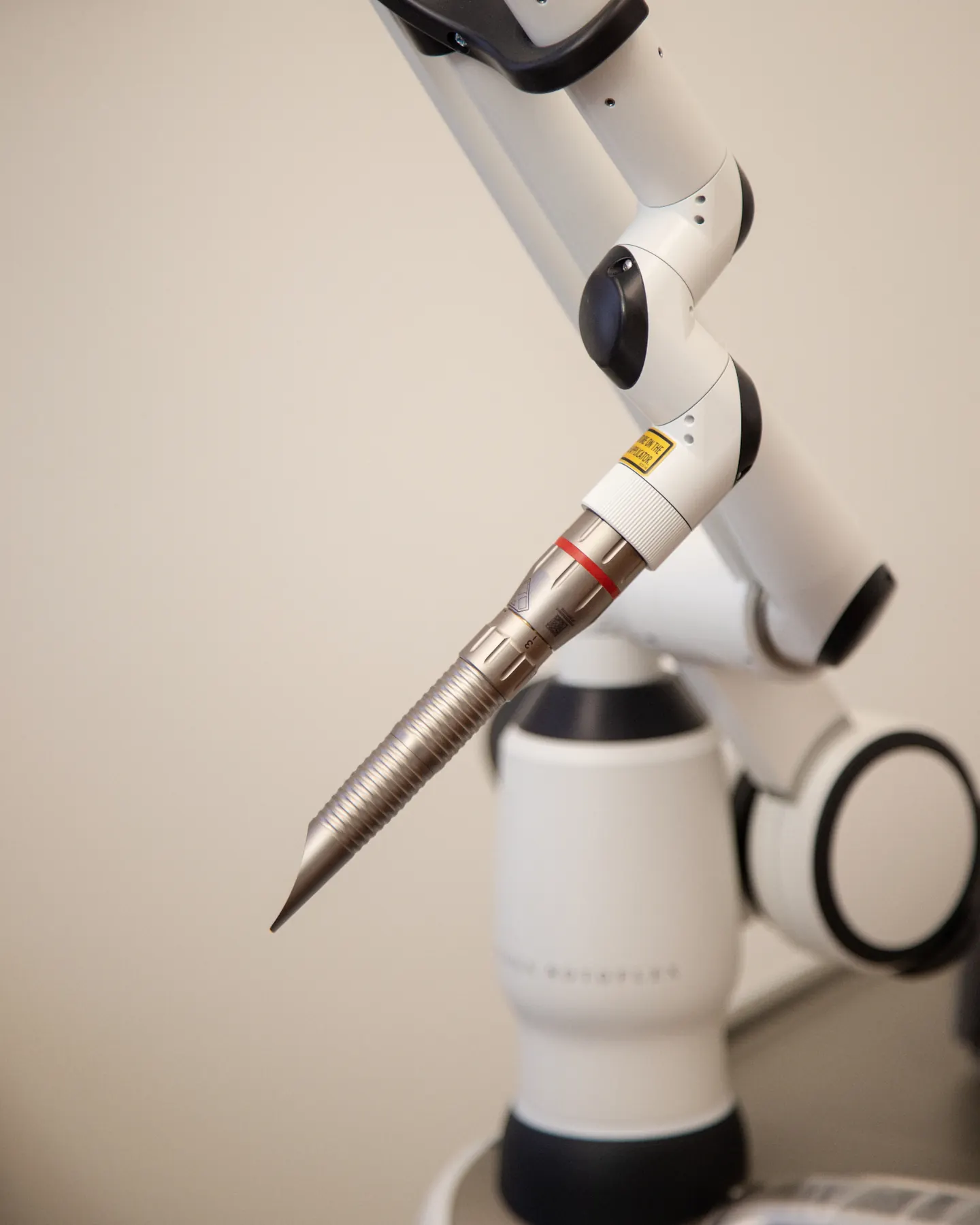
The easiest way to understand the appeal of the Fotona 4D Laser Facial (TimeWalker) is to look at what most non-surgical rejuvenation treatments actually do. Many address one layer, one concern, or one type of tissue response. A peel works mainly on the surface. A standard resurfacing session may focus on texture and pigment. Radiofrequency devices often aim at skin tightening through heat. Injectables can restore volume or relax muscle movement, but they do not improve skin quality in the same way a laser can.
Fotona 4D is different because it is designed as a layered treatment. It does not approach facial aging as a single problem. It treats it as a mix of skin laxity, collagen loss, rough texture, fine lines, uneven tone, and changes in support around the mouth and lower face. The TimeWalker platform makes that approach possible by combining different laser modes in one treatment plan, often during the same appointment.
That distinction matters more than the marketing language around it. Patients rarely come in with only one concern. The person who says, “I just want some tightening,” usually also has some crepiness around the eyes, a little softening of the jawline, lines above the lip, and texture changes that became more obvious in bathroom lighting or on video calls. A treatment that can work across several depths of the skin, and even from inside the mouth, tends to produce a result that looks more coherent and natural.
It is not one laser pass, it is a sequence with a strategy
A common misunderstanding is that Fotona 4D is simply another resurfacing laser with a new name. It is closer to a protocol than a single pass. The treatment typically combines several steps that target different tissue depths and goals. Clinics may adjust the sequence depending on the patient, but the classic concept involves four complementary modes.
One part works intraorally, meaning from inside the mouth, especially the cheeks and lip area. This is one of the features that makes the treatment memorable for both practitioners and patients. Instead of only heating skin from the outside, the laser also stimulates the tissue from the inside, where support loss contributes to flattening around the nasolabial folds and perioral area. That internal approach is unusual, and it is one reason patients often hear that Fotona 4D can give a subtle “inside out” tightening effect.
Another part targets deeper heating without aggressive surface injury. This is often where the treatment begins to separate itself from older, more binary laser categories. It is not simply ablative or non-ablative in the way many patients understand those terms. Some settings are geared toward volumetric heating, encouraging collagen remodeling over time. Others focus more on texture and fine lines. The result is a treatment that can be customized with more nuance than many single-mode devices.
The final effect is not about looking “done.” When performed well, the face often appears fresher, tighter, and more rested, but not obviously altered. That is a meaningful difference in a category crowded with treatments that promise dramatic change yet leave patients with either too little improvement or too much visible downtime.
The intraoral step is more important than it sounds
Most people perk up when they hear “laser from inside the mouth,” usually with some hesitation. It sounds unusual, and it is. But it is also clinically interesting.
Aging around the mouth is hard to treat well because the area changes in several ways at once. The red lip may look thinner. The upper lip can lengthen slightly. The skin above the lip develops fine etched lines. The corners of the mouth start to pull down. The tissue around the lower cheeks softens. If treatment only addresses the outer skin, the result can be partial. You may improve lines while leaving the deeper support issue mostly untouched.
The intraoral step, often referred to as SmoothLiftin in Fotona protocols, aims heat at the mucosal side of the tissue. This can stimulate collagen remodeling where external devices do not usually reach in the same way. Patients sometimes notice that the mouth area feels firmer and the smile lines look softened over the following weeks. It is rarely a substitute for a facelift in someone with significant lower-face descent, but in the right patient it can bridge an important gap between skincare and surgery.
From a practical standpoint, this step also helps explain why the Fotona 4D Laser Facial (TimeWalker) is often chosen by patients who are not ready for fillers around the mouth or who have had filler migration concerns and want a different approach. It is not volumization in the injectable sense. It is structural support through controlled thermal stimulation.
It treats the skin at multiple depths, and that changes the look of the result
When a device addresses only the surface, improvement often shows up first as better texture. The skin may feel smoother, pores can appear smaller, and pigmentation may look less obvious. That can be helpful, but it has limits. A smooth surface over lax tissue still looks lax. On the other hand, when a device focuses only on deep heating and leaves the surface mostly untouched, the patient may get a mild tightening effect without the “glow” or refinement they hoped for.
Fotona 4D was designed to avoid that split. By combining deeper thermal work with more superficial polishing, it tries to create a result that reads as overall rejuvenation rather than a single-feature correction.
That distinction becomes clear in consultation photos. With some treatments, you can say exactly what changed: the freckles are lighter, the upper lip lines are softer, the cheeks are less red. With a good 4D plan, patients often struggle to name one specific change because the improvement is spread across tone, texture, firmness, and contour. That can sound vague, but in aesthetic medicine it is often a sign of balance. The best work is not always the most obvious work.
Downtime is often more manageable than patients expect
Downtime is one of the practical reasons this treatment gets attention. A lot of patients want visible improvement, but they do not want to hide for ten days or explain crusting and peeling at work. Traditional aggressive resurfacing can deliver impressive results, but it requires commitment. Not everyone wants that trade-off, especially if their concerns are moderate rather than severe.
Depending on the settings used, Fotona 4D often sits in a middle ground. Patients may leave pink, slightly warm, and mildly swollen, especially around the mouth and under the eyes. Some feel a sunburn-like sensation for a few hours. Texture can feel dry or rough for several days. If a more superficial finishing pass is included, there may be light shedding afterward. But many people are back to normal social function much sooner than they would be after a fully ablative treatment.
That said, “minimal downtime” is one of the most abused phrases in aesthetics. It means different things to different patients. A person who is comfortable going to dinner with a little redness will call it easy. A person who wants zero signs of treatment may find even two days of pinkness inconvenient. The more useful conversation is not whether downtime is low, but whether the intensity matches the patient’s real life and expectations.
It can be customized without becoming a random mix of settings
A lot of modern aesthetic treatments claim customizability. Sometimes that is a strength. Sometimes it is a polite way of saying the protocol is not very standardized and outcomes vary widely. What makes the TimeWalker approach more compelling is that the customization happens within a structured framework.
Experienced laser practitioners can adjust pulse modes, energy levels, number of passes, and emphasis areas based on skin quality, age, sensitivity, and treatment history. For someone in their thirties with early laxity and textural changes, the plan may lean toward collagen stimulation and gentle refinement. For someone in their fifties with etched perioral lines and mild lower-face heaviness, the internal lifting component and deeper heating may play a larger role.
This matters because faces age differently. A thin patient with sun damage needs something different from a fuller-faced patient with congestion and enlarged pores. A person with early jowling but smooth skin is not the same as someone with excellent facial support but rough, crepey surface texture. The value of Fotona 4D is not only that it has several components. It is that those components can be weighted with purpose.
The treatment occupies a useful middle territory between injectables and surgery
One of the most common clinical questions is where this treatment fits. Patients want to know whether it replaces filler, competes with radiofrequency microneedling, or can delay surgery.
The honest answer is that it can play all three roles, depending on the case, but it replaces none of them completely.
Compared with injectables, Fotona 4D usually offers less immediate transformation but a more skin-driven result. It does not add volume in the way filler does. If someone has deep hollowing in the cheeks or temples, laser alone will not restore that architecture. What it can do is improve the envelope around the volume, meaning the skin itself looks firmer, smoother, and more reflective. In the right patient, that may reduce the amount of filler needed later, or at least lead to a more restrained filler plan.
Compared with radiofrequency microneedling, Fotona 4D often feels more elegant around the mouth and superficial skin texture, especially when the intraoral and polishing components are used strategically. Microneedling devices have their own strengths, particularly for acne scarring and broader collagen induction, but they work differently and come with their own downtime patterns. Some patients respond better to one than the other. In practice, these are not always rivals. They can be sequenced over time if the treatment plan is thoughtful.
Compared with surgery, the limits become more obvious. If someone has significant neck laxity, heavy jowling, or advanced facial descent, no laser facial will recreate the lift of a lower facelift. The best laser in the world cannot excise skin or reposition deeper tissues the way surgery can. Where Fotona 4D shines is in the patient who wants noticeable rejuvenation before they are ready for surgery, or in the surgical patient who wants better skin quality to match improved contours.
The results build gradually, which can be either a strength or a frustration
One reason some patients love the treatment is the natural timeline. There is often a short-term brightness and tightening effect after swelling settles, but the more meaningful changes build over weeks to months as collagen remodeling develops. That gradual improvement tends to look believable. Friends may comment that someone looks well rested or refreshed rather than obviously treated.
The downside is patience. Patients used to the instant gratification of neuromodulators or filler can find laser collagen work psychologically harder to appreciate. If the expectations were set poorly, they may judge the treatment too early. This is where clinician experience matters. Good candidates for Fotona 4D are not just skin types or age groups. They are people who understand that tissue remodeling is a process.
In practical terms, many clinics recommend a series rather than a single session if the goal is more than a pre-event glow. Exact spacing varies by protocol and skin response, but several treatments over a few months is common. Maintenance sessions may follow. That does not make it a weak treatment. It simply means it is playing a longer game than a one-time surface peel.
Operator skill matters more than patients realize
Devices matter, but treatment quality often comes down to the clinician’s judgment. Two practices can own the same platform and deliver very different outcomes.
Laser work is not only about pressing a foot pedal. It is about reading the face, choosing the right endpoints, adjusting for skin thickness, respecting heat accumulation, and knowing when not to chase more energy. Over-treatment can create prolonged redness, irritation, or a result that does not justify the recovery. Under-treatment leaves patients unimpressed and skeptical of the entire category.
This is especially relevant with combination protocols like Fotona 4D. Because the treatment has multiple steps, there is more room for finesse and more room for error. A skilled provider knows when to emphasize tightening, when to prioritize texture, and when a patient would be better served by another modality altogether.
A small but telling sign of expertise is how the consultation is handled. A strong clinician will not promise a surgical result. They will ask about downtime tolerance, herpes simplex history, pigment tendency, previous laser experiences, and whether the main concern is contour, texture, redness, or lines. They will often explain that the lower face, perioral area, and eye area may respond differently. That sort of nuance is not salesmanship. It is usually a sign that the provider understands the treatment beyond the brochure.
Not every patient is the right patient
The appeal of the treatment can make it sound universal, but candidacy still matters. Patients with mild to moderate aging changes, early laxity, textural roughness, or mouth-area lines often make the most obvious candidates. Those with very advanced sagging may be better served by surgery, or by combining several non-surgical approaches with realistic expectations.
Skin type also matters, though not in a simplistic yes-or-no way. Laser safety depends on wavelength, settings, recent sun exposure, pigment behavior, and practitioner experience. Some aspects of the protocol may be easier to tailor across skin tones than older resurfacing concepts, but caution is still important, especially in patients prone to post-inflammatory hyperpigmentation. A good clinic will not wave that away.
There is also a lifestyle piece that often gets missed. The Fotona 4D Laser Facial (TimeWalker) patient who cannot avoid sun, refuses aftercare, or expects one treatment to reverse fifteen years of collagen loss is not likely to be happy, no matter how advanced the platform is. A treatment can be technically excellent and still wrong for the person sitting in the chair.
Why patients often describe it as “more natural”
That word gets overused in aesthetics, but it has meaning here. A natural result usually happens when improvements are distributed rather than concentrated. Instead of one conspicuous change, several subtle changes stack together. The skin reflects light better. The mouth area looks a bit firmer. Fine lines soften. The cheeks look slightly more lifted because the skin quality and support improved, not because volume was pushed into one obvious compartment.
This is especially valuable for patients who want to stay expressive and recognizably themselves. They are not asking to look twenty. They want to look less tired, less creased, less deflated. The Fotona 4D Laser Facial (TimeWalker) fits that brief well when expectations are sensible.
There is also a social reality here. Many people are open to skin treatments but wary of anything that may make them look altered. Laser-based rejuvenation, particularly when it stimulates the skin’s own repair pathways, tends to appeal to that group. The improvement reads as healthier tissue rather than cosmetic intervention in the narrow sense.
The real differentiator is not the brand name, it is the treatment philosophy
Brands matter because engineering matters. Reliable energy delivery, thoughtful handpieces, and well-developed protocols all count. But the deeper reason Fotona 4D stands out is the philosophy behind it. It does not assume that facial aging can be solved at one depth. It does not force patients into a false choice between glow and tightening, or between surface correction and structural support.
It is a layered treatment for a layered problem.
That is why it has remained relevant in a crowded market where devices come and go with great fanfare. The treatment makes clinical sense. Use internal tightening where support is fading. Use deep heating where collagen needs a nudge. Use targeted fractional energy where texture and lines need refinement. Finish with surface improvement so the visible skin matches the deeper work.
For the right patient, that combination can produce one of the most satisfying kinds of aesthetic result: visible enough to justify the investment, subtle enough that nobody feels compelled to ask what was done. That balance is hard to achieve. It is also the reason so many experienced practices still consider the Fotona 4D approach worth discussing, despite the constant churn of newer names and louder claims.
OMNIA Wellness Center
Address: 16430 Ventura Blvd Ste 207, Encino, CA 91436
Phone: (818) 386-8511
FAQ About Fotona 4D Laser Facial (TimeWalker)
What are the benefits of Fotona laser treatment?
OMNIA offers this treatment for concerns such as uneven texture, dull tone, and fine lines. Results and the number of sessions vary, so discuss your goals with a provider.
Is Fotona laser safe?
A qualified provider should review your skin, medical history, medications, and recent sun exposure to determine whether the treatment is appropriate. Ask about possible irritation, pigment changes, and aftercare before booking.
How much does a Fotona 4D facelift cost?
Price depends on the treatment plan and number of visits. Ask OMNIA for an itemized estimate during your consultation.