What to Expect During Fotona Laser Treatments in Encino, CA
@rowanmqli728
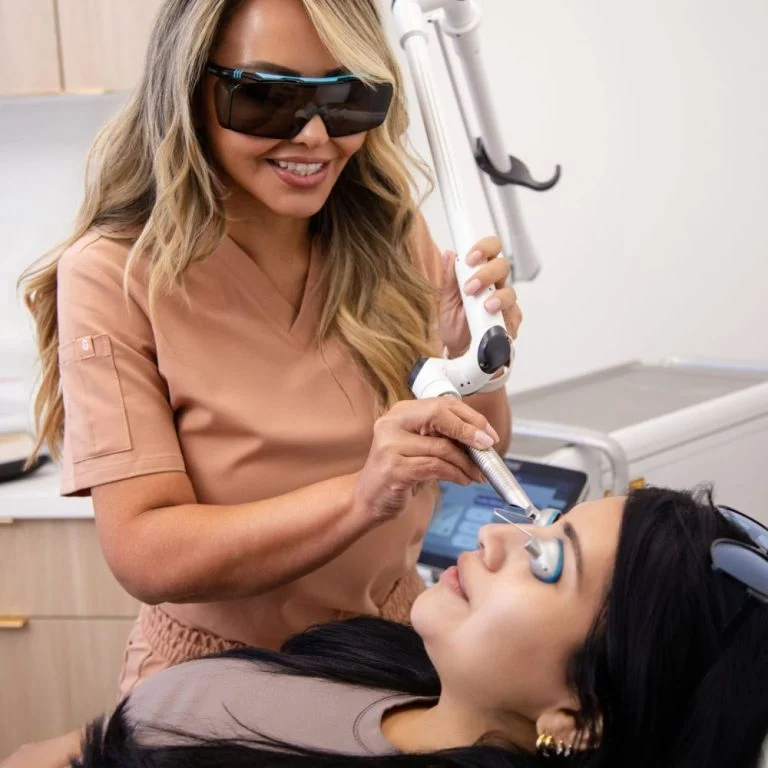
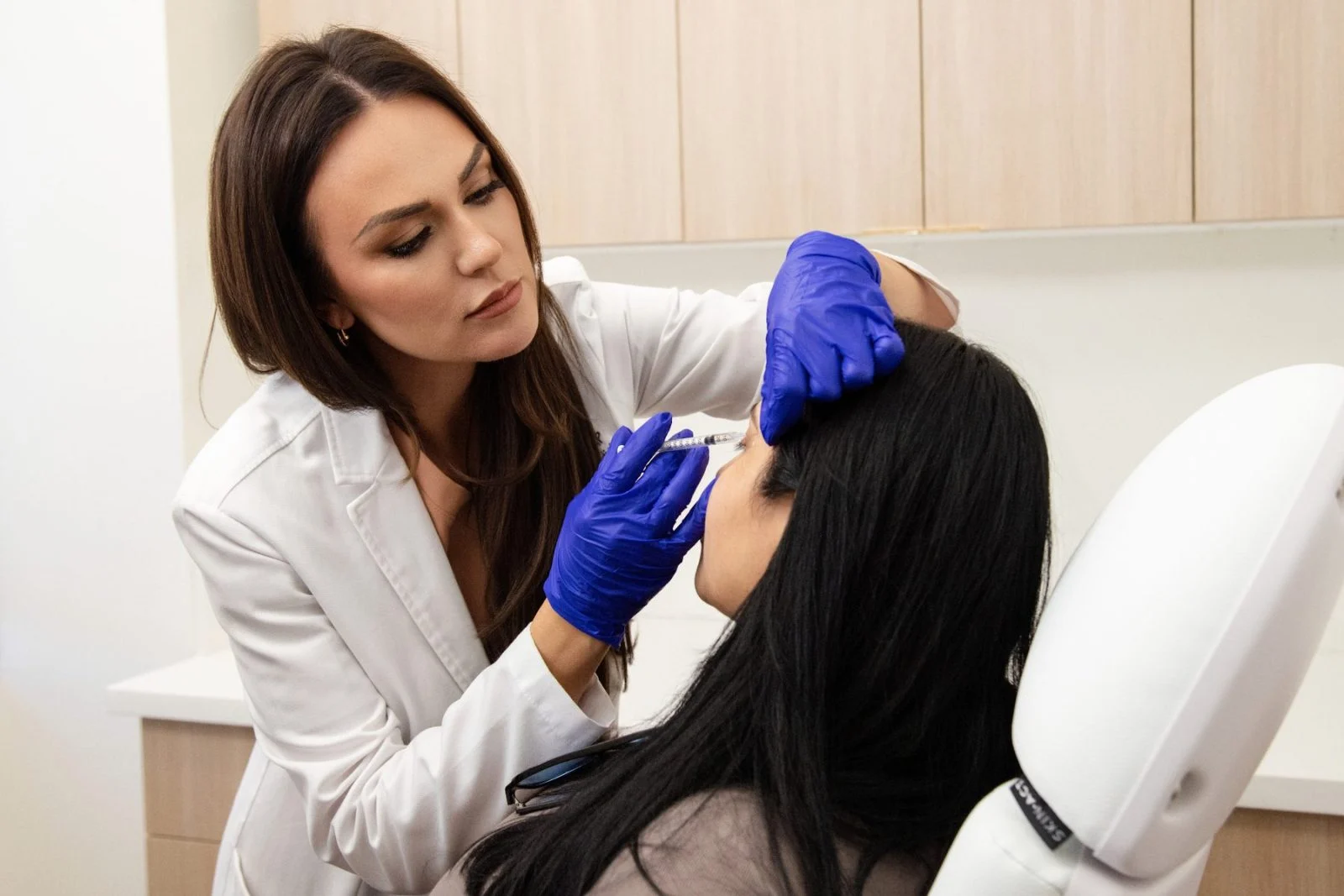
Fotona laser treatments attract people for a simple reason: they can address real concerns without surgery, long downtime, or the sense that you are committing to something irreversible. In a place like Encino, where patients often want visible improvement but still need to go to work, attend meetings, pick up kids, or be seen socially the same week, that balance matters. The appeal is not only cosmetic. It is practical.
If you have been researching Fotona Laser Treatments Encino, CA, you have probably seen a wide range of claims, before-and-after photos, and treatment names that sound technical enough to blur together. The better question is not whether the technology exists. It does. The better question is what the experience actually feels like, how your skin may respond, and what kind of results are realistic based on the concern you are treating.
That is where expectation setting becomes more valuable than marketing language. Fotona platforms are versatile. They are used for concerns that can include texture issues, uneven tone, acne scarring, fine lines, skin laxity, vascular appearance, and certain resurfacing goals. Some settings are gentler and involve very little disruption. Others are more intensive and come with a more noticeable recovery period. Two people can both receive a Fotona treatment and walk away with completely different aftercare instructions because the treatment depth, energy level, and target issue were different.
Why a consultation matters more than the machine name
Patients often come in asking for a specific device because they read about it online. That is understandable, but in practice, the treatment plan matters more than the brand name on the equipment. Fotona systems are capable of multiple modes, and the provider’s judgment determines how the technology is used.
A good consultation should feel less like a sales pitch and more like a medical and cosmetic assessment. Your provider should look at your skin in natural light if possible, ask about your goals, review your medical history, and talk through timing. Timing is often the hidden variable that changes everything. Someone preparing for a wedding in three weeks needs a different approach from someone who can tolerate redness for a week and wants more aggressive resurfacing.
In Encino, this comes up constantly because patients are balancing visible improvement with public-facing schedules. A working actor, a trial attorney, and a parent heading into school event season may all want brighter, tighter skin, but they do not have the same tolerance for swelling, peeling, or redness. A skilled provider takes that seriously.
You should also expect questions about medications, recent sun exposure, cold sore history, active acne, melasma tendencies, and prior procedures. These are not formalities. They affect safety and outcomes. For example, someone with recent tanning or significant UV exposure may need to postpone treatment. Someone with a history of post-inflammatory hyperpigmentation may need a more conservative plan and careful pretreatment.
What Fotona laser treatments can feel like, depending on the goal
One reason patients get confused is that “laser treatment” sounds like a single experience. It is not. Some Fotona sessions are quick and fairly comfortable. Others are more intense and feel closer to a heat-based resurfacing procedure.
For lighter treatments, many people describe the sensation as warmth with a snapping or prickling feel, similar to tiny rubber band flicks combined with bursts of heat. If the goal is collagen stimulation or mild rejuvenation, discomfort is usually manageable. A topical numbing cream may be used depending on the setting, area treated, and your sensitivity.
For more intensive resurfacing sessions, the sensation can be stronger. Even with numbing, you may feel concentrated heat and a repeated pulse pattern over the skin. Most experienced providers work methodically, check in often, and adjust pace or settings when appropriate. The treatment may not be pleasant in the spa sense of the word, but it should feel controlled rather than chaotic.
Patients are sometimes surprised by the smell. During certain laser procedures, there can be a distinct scent from the interaction between the laser energy and skin tissue. It is normal, and it is one of those practical details many websites skip. The same goes for heat buildup. In some areas, especially around the mouth or on thinner skin, the warmth can feel more intense by the end of a pass.
What happens when you arrive for your appointment
On treatment day, most offices begin by cleansing the skin thoroughly and reviewing any changes since your consultation. If you developed a rash, spent a weekend in the sun, started a new prescription, or had a breakout, say so. Small details matter.
Photography is common, and it is helpful. Patients often remember only the last few days of their skin history. Standardized photos give a more objective baseline. Improvements in texture, pore appearance, and fine lines can be subtle from day to day but easier to appreciate side by side.
If numbing is part of the plan, it usually sits on the skin for a period of time before treatment begins. Not every Fotona session requires it. Protective eyewear is used, and the provider may describe each phase before starting. That explanation is not filler. It helps patients distinguish normal sensations from signs that something should be adjusted.
A typical appointment can be relatively short for focused treatment or longer if multiple areas are addressed. Face-only sessions are different from face and neck, and a targeted scar treatment is different from a broader rejuvenation appointment. If you are trying to schedule around work, ask for a realistic time range rather than assuming all laser visits are an hour.
The first few minutes after treatment
Immediately after treatment, your skin may look pink to red, depending on intensity. Mild swelling is common, particularly around the eyes and cheeks. Many patients describe a lingering sensation similar to a sunburn for the first several hours. With less intensive settings, that warmth often settles quickly. With stronger resurfacing, the skin can feel tight, hot, and noticeably reactive well into the evening.
Some people expect an instant polished glow. Sometimes that happens with lighter treatments. More often, the immediate post-treatment look is not the result. It is the beginning of the response. Skin may appear flushed, rough, or a little puffy before it starts to improve.
If the treatment involved more aggressive resurfacing, you may notice bronzing, a sandpapery feel, or tiny grid-like or dotted textural changes as the Fotona Laser Treatments Encino, CA skin moves through healing. This can alarm first-time patients if they were only shown final results and not the in-between stages. Knowing that the recovery has phases makes the experience much less stressful.
Recovery in the first week, what is typical and what varies
Downtime is not a fixed number, even for the same device. It depends on treatment depth, the number of passes, the area treated, your skin’s baseline sensitivity, and how closely you follow aftercare.
For gentler Fotona sessions, you may have pinkness for a day or two and feel comfortable returning to normal activities quickly. Makeup may be possible within a short period if your provider approves it. For stronger treatments, the first three to five days can involve significant redness, swelling, roughness, and peeling or flaking. In some cases, the social downtime is longer, especially if the treatment was intentionally aggressive.
This is where real-world planning matters. I have seen patients handle a moderate treatment beautifully because they built in a few quiet days at home, avoided heat exposure, and were diligent with bland skincare and sunscreen. I have also seen mild treatments look more dramatic because someone worked out hard the same night, sat in direct sun, or used active skincare too soon. The skin does not care what your calendar looks like. If it is irritated, it will show it.
The most common sequence is redness first, then tightness or swelling, then rough texture or darkened debris if resurfacing was involved, and finally smoother, fresher skin as healing completes. Collagen remodeling continues beyond the visible peeling stage, which is why some improvements appear gradually over several weeks.
Preparing well makes the treatment easier
A smooth laser visit usually starts days before you walk into the office. The best prep is not glamorous. It is consistent.
- Avoid significant sun exposure and tanning before treatment.
- Pause retinoids, exfoliating acids, and other irritating topicals if your provider advises it.
- Arrive with clean skin, free of makeup, heavy moisturizer, or self-tanner.
- Tell your provider about cold sores, recent procedures, or medication changes.
- Plan your schedule so you are not forced to hide active redness at an event the next day.
Those basics prevent a surprising number of setbacks. Self-tanner, fresh sun exposure, aggressive skincare, and “just one quick facial” before laser are common reasons people end up rescheduling or healing poorly.
Aftercare is where good results are protected
Most post-laser instructions are straightforward, but they matter. You are trying to protect a healing barrier while avoiding unnecessary inflammation. That usually means a gentle cleanser, a bland moisturizer or healing ointment if recommended, strict sun protection, and patience.
Patients often get impatient around day two or three, especially when the skin feels rough or looks dull before it gets better. That is when they want to scrub, pick, exfoliate, or “help” the peeling along. Resist that urge. Premature exfoliation can prolong redness and increase the risk of pigment issues, especially in skin that already runs reactive.
Sun protection deserves more emphasis than it usually gets. Southern California light is not forgiving, even on days that do not feel especially hot. Driving, walking the dog, sitting by a window, or eating lunch on a patio can all add up if your skin is freshly treated. Broad-spectrum sunscreen, hats, and shade are part of the treatment outcome, not an optional extra.
Makeup timing depends on the procedure intensity and the integrity of the skin surface. Some lighter sessions allow a fairly quick return to cosmetics. More intensive resurfacing often requires waiting until the provider says the skin is ready. Applying products too soon can sting, clog, or irritate skin that has not sealed over fully.
How many sessions most people need
This answer depends entirely on the concern. Texture refinement and collagen stimulation usually improve over a series. Pigment irregularity may lighten in stages rather than disappear at once. Acne scars often need multiple treatments and sometimes benefit from combination approaches rather than one technology alone.
Patients tend to do best when they understand whether the goal is correction, maintenance, or both. A person treating early fine lines and mild dullness may notice a good response after one session but choose a series for stronger cumulative change. A person trying to soften established acne scars should not expect a single treatment to erase years of structural change in the skin.
That does not mean progress is disappointing. It means progress is incremental. In experienced hands, incremental can still be significant. The provider who is honest about this usually gets better long-term patient satisfaction than the one who promises dramatic change from a single visit.
Who tends to be happiest with Fotona treatments
The best candidates are not always the people with the fewest concerns. They are often the people with the clearest expectations. They understand that lasers can stimulate, refine, brighten, and smooth, but they also understand limits.
Someone with mild to moderate texture change, early laxity, superficial sun damage, or a desire for a fresher overall skin quality often does very well. Patients who are willing to commit to a treatment plan, follow aftercare, and protect their skin from sun generally see better outcomes than people who treat the session as a one-off event.
There are also cases where another treatment may be better. Deep volume loss, significant sagging, very specific scar types, or active inflammatory skin disease may call for a different modality or a combination strategy. Good practices in Encino will tell you that, even if it means recommending something other than the treatment you initially requested.
A note on skin tone, sensitivity, and customization
Not every laser plan should be approached the same way across all skin tones. This is one of the most important parts of a safe consultation. Patients with more melanin in the skin can absolutely be candidates for many laser procedures, but settings, timing, pretreatment, and aftercare often require extra care to reduce the risk of post-inflammatory hyperpigmentation or prolonged irritation.
The same is true for patients with rosacea tendencies, eczema history, melasma, or highly reactive skin. Sometimes the right treatment is still Fotona. Sometimes it is a modified approach. Sometimes it is better to strengthen the skin barrier first and delay the procedure.
This is where provider experience matters more than almost anything else. A machine can deliver energy. Judgment determines whether that energy is delivered wisely.
Questions worth asking before you book
A smart patient usually asks better questions after the first five minutes of research than after the first fifty. You do not need to become a laser physicist. You do need enough clarity to know what is being proposed.
Ask what specific concern is being treated, what level of downtime to expect, how many sessions are commonly needed, what risks are most relevant to your skin, and what the office does if healing is slower than expected. Ask to see results for concerns that look like yours, not just the best photo in the portfolio. Ask whether the treatment is appropriate for your timeline. Those conversations are often more revealing than any promotional language on a website.
You should also ask who is performing the treatment and how often they perform that specific protocol. A great result rarely comes from technology alone. It comes from pattern recognition, restraint, and experience.
When to check back with your provider after treatment
Most post-treatment symptoms are expected, but it helps to know what should prompt a call. Contact the office if you experience any of the following:
- Worsening pain rather than gradual improvement.
- Significant blistering, crusting, or drainage.
- Fever or signs that suggest infection.
- Swelling that feels excessive or continues to intensify.
- A rash or reaction after starting a post-care product.
Most offices would rather hear from you early than have you guess wrong at home. Quick reassurance is often all that is needed, but true complications are easier to manage when addressed promptly.
What realistic results look like over time
The best Fotona results often do not announce themselves all at once. A friend may say you look rested without being able to point to a single change. Your foundation may sit better. Fine lines can soften. Skin can look less crepey, pores a bit less obvious, tone more even, and overall quality more refined. For scar treatment or resurfacing, the gains are often more visible in direct light and in photographs taken several weeks apart.
That gradual quality is not a weakness. In aesthetic medicine, subtle but meaningful improvement is often exactly what patients want. Especially in Encino, where many people prefer to look better without looking obviously “done,” a treatment that supports the skin’s own remodeling process can be a good fit.
The key is matching the treatment intensity to the problem and the person. Not every concern needs an aggressive pass. Not every patient should be sold the strongest option. Sometimes a lighter series with manageable recovery is the smarter path because the patient will actually complete it and maintain the result.
The local factor in Encino, CA
Searching for Fotona Laser Treatments Encino, CA usually means you want both convenience and confidence. Local access helps, especially if follow-up questions come up or if you prefer seeing the same team over time. It also means providers in the area tend to understand the lifestyle realities of their patients. They know people want treatments that fit around work, family, social obligations, and year-round sun exposure.
That last point is not minor. In Southern California, laser planning often has to account for beach days, hikes, driving exposure, and the simple fact that many people spend more incidental time outdoors than they realize. This affects scheduling, pretreatment counseling, and aftercare discipline. The providers who bring that up proactively are usually thinking beyond the treatment room.
A thoughtful Fotona experience should feel measured from start to finish. Not rushed, not oversold, not vague. You should leave knowing what was done, how your skin is expected to behave over the next few days, what products to use, what to avoid, and when results are likely to unfold. That level of clarity is often the difference between a patient who feels anxious during recovery and one who feels prepared.
If you walk in expecting a one-size-fits-all laser facial, you may be surprised by how customized the process is. If you walk in understanding that the technology is flexible and the treatment plan is the real product, you are much more likely to have a good experience and results that feel worth the effort.
OMNIA Wellness Center
Address: 16430 Ventura Blvd Ste 207, Encino, CA 91436
Phone number: +18183868511
FAQ About Fotona Laser Treatments Encino, CA
What is a Fotona laser good for?
A Fotona Laser system is a versatile, dual-wavelength medical laser used primarily for non-surgical skin tightening, anti-aging rejuvenation, and dermatological treatments.
How much does the Fotona laser cost?
The cost of a Fotona laser depends heavily on whether you are looking to purchase a laser machine for a medical practice or are a patient seeking a laser treatment at a medspa.
Is a Fotona laser worth it?
A Fotona laser treatment is generally worth it if you want non-surgical skin tightening, improved texture, and collagen stimulation with very little downtime.